Boat Trailer Tire Pressure: Find the Correct PSI
Find the pressure specified for your trailer and tires, understand the labels, and check them cold before towing.
Find the pressure specified for your trailer and tires, understand the labels, and check them cold before towing.
Use the cold inflation specification for your trailer and fitted tires. Find the trailer’s tire/certification label and compare it with the tire size, load range and manufacturer instructions. There is no one PSI that fits every boat trailer.
If the labels are missing, conflict, or the wheels or tires have been changed, confirm the correct setup with the trailer manufacturer or a qualified tire installer before towing. Do not choose a pressure from wheel diameter alone.
Look for tire size and cold inflation pressure on the trailer’s tire or certification label. Photograph it for reference; layout and location vary.
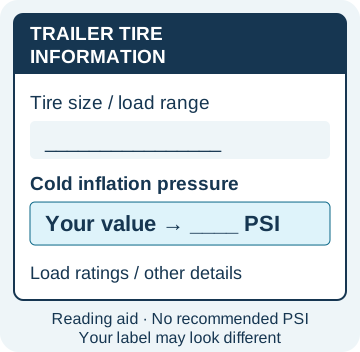
Compare the actual tire size and load range with the trailer specification. Read the sidewall’s load and pressure information and the tire manufacturer’s instructions. Resolve mismatches before using a pressure figure.
Use an accurate gauge while the tires are cold, before driving. Check every road tire and the spare to their applicable specifications. Look for damage or recurring air loss as well as the gauge reading.
Karavan’s guidance directs owners to the tire sidewall or trailer certification label and calls for checking cold. Venture’s boat-trailer guidance also points to the tire manufacturer’s specifications and load/inflation information.
These instructions concern the specified trailer/tire combination. A replacement tire’s higher sidewall pressure does not, by itself, establish a new setting for the trailer. Do not exceed a component’s rated limit or average conflicting numbers; ask the manufacturer or installer to reconcile them.
Check before towing, after the tires have been at rest. Venture describes cold as before towing or after at least three hours parked. Driving warms tires and raises pressure. Use the cold specification under cold conditions; a hot reading is not directly comparable.
Goodyear’s Special Trailer tire care guidance calls for pressure checks before trips and at least monthly. Consult its tire-specific instructions if you must check after driving.
| Information you have | What it tells you | What is still needed |
|---|---|---|
| 13-, 14- or 15-inch wheel | Only part of the tire/wheel fitment | Full tire size, load range and approved cold pressure |
| Tire sidewall load/pressure marking | Load capability at the stated pressure and tire limits | Compatibility with your trailer and wheel |
| Trailer tire/certification label | Specified fitment, cold pressure and ratings | Confirmation that the fitted equipment matches |
| Different tires or missing labels | The original specification may need checking | Manufacturer or qualified installer guidance for this setup |
Pressure is only one check. Correct inflation does not make an overloaded or damaged tire safe.
Keep the label photo with your trailer records. A VIN lookup can help identify a manufacturer, but a decoder’s GVWR result is not a tire-pressure recommendation.
Goodyear advises consulting the vehicle manual and a professional installer when changing the original tire size or type, and checking clearance, load capacity and inflation. Its ST guidance also directs readers to load/inflation tables for replacement fitments. Do not lower pressure simply to soften the ride or copy a setting from another trailer.
When assessing a used trailer, record tire condition separately from price. See the trailer value calculator for the buying decision; it does not certify towing readiness.
Any of those numbers could appear on a particular tire or trailer label. None is universal. Use the specification for your matched equipment and resolve conflicting labels with the manufacturer or installer.
Wheel diameter alone is insufficient. Find the complete tire size, load range and trailer cold-pressure specification.
Do not transfer a car’s pressure setting to a trailer. Follow the trailer and fitted tire manufacturers’ instructions.
Check whether the fitted tires and wheels match the original specification. Ask the trailer manufacturer or a qualified tire installer to confirm the correct pressure and compatibility; do not choose the higher figure automatically.
No. Manufacturer details or a weight-rating class from a VIN lookup do not determine the inflation pressure for the tires currently installed.
This guide draws on the linked Karavan and Venture trailer instructions and Goodyear’s tire-care guide, including its Special Trailer section. The illustration is an original reading aid with blank values, not a manufacturer label or a pressure recommendation.
Last Updated:
Reviewed by Premium Boatcare Team