10 Essential Tips Every First-Time Boat Buyer Should Know

10 Essential Tips Every First-Time Boat Buyer Should Know
Buying your first boat feels like finally getting the keys to summer. But let’s be honest—there’s a reason every boat owner has a “wish I’d known that” story. You’re about to drop serious cash, and it’s way too easy to make rookie mistakes that cost you for years.
Direct answer: If you want to avoid buyer’s remorse, focus on the right size, don’t get suckered by low monthly payments, and remember you’ll spend as much time caring for your boat as using it. Skip the hype—learn from those who’ve already paid the dumb tax.
Here’s what I’ve figured out the hard way:
- Not all boats fit all families. The 21-footer might look perfect on Instagram, but try loading your actual crew and gear before you buy.
- Financing traps are real. That “affordable” payment? It adds up, fast, once you factor in storage, insurance, and the endless parade of “essential” gear.
- Maintenance is half the game. If you’re not ready to scrub, wax, and tinker, your boat will show it by July.
FAQ:
- Is buying used safer? Sometimes. But only if you know what to look for.
- How much should I budget for extras? At least 10–15% over sticker.
- Will I regret buying too small? Every single time.
Bottom line: This isn’t a brochure. It’s what I wish I’d read before I signed the paperwork.
Why Bigger Isn’t Always Better: Choosing the Right Boat Size
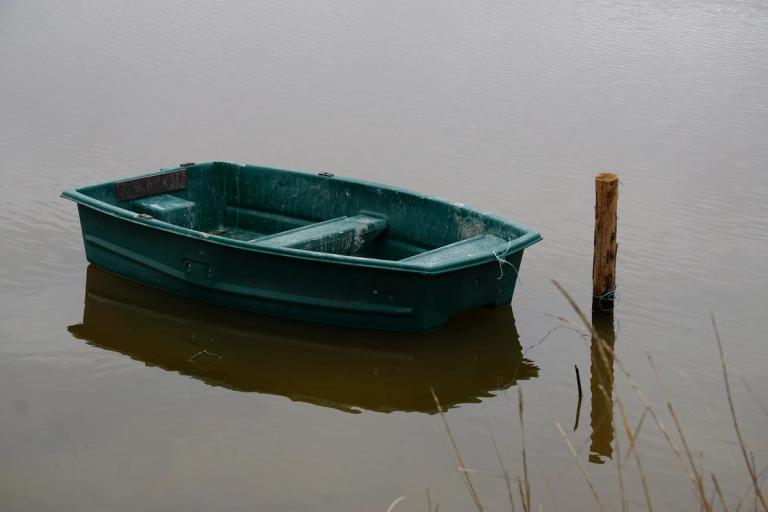
Buying a boat that’s too big for your britches is like hopping into a dually pickup when you’ve only ever driven a Civic. Sure, it looks impressive at the ramp. But the first time you try to back it down the driveway or nudge it into a slip with a crosswind, the pucker factor goes through the roof.
Direct answer: A bigger boat isn’t always better because it’s harder to handle, costs more to maintain, and can turn weekend fun into a chore—especially if you’re new to boating or your family doesn’t need all that space.
Let’s break it down. Here’s what happens when you go too big, too soon:
- Handling: More length means more momentum. A 26-footer doesn’t stop or turn like an 18-footer. You’ll feel it every time you try to dock, especially with an audience. I learned that the hard way—scraped my rub rail at the marina and heard about it all season.
- Maintenance: Bigger hull, more to clean. More systems to fix. Double the bilge pumps, twice the vinyl to scrub, and don’t get me started on trailer upgrades.
- Storage: If your HOA already grumbles about your 20-footer, a 26 will have them forming a committee. And winter storage? Multiply your headache by the foot.
FAQ:
- Isn’t a bigger boat safer?
Only if you know how to handle it. Otherwise, you’re just in more trouble, faster.
- Won’t my family outgrow a small boat?
Maybe. But start with what you’ll actually use most weekends, not what you’ll need twice a year.
Real-life: Dave’s first boat was an 18-foot bowrider. Easy to tow, simple to clean, and the kids loved tubing behind it. His second boat, a 22-footer, felt like a floating condo—until he had to dock it solo in a crosswind. Verdict? Go with the size you can handle now. Your future self (and your gelcoat) will thank you.
Financing and Warranties: What You Need to Know Before Signing

Here’s the straight answer: Boat financing is a lot like truck financing, but with more traps and way fewer honest salespeople. If you want to keep your wallet and your sanity, you need to know where the potholes are.
Quick FAQ:
- What’s a “good” boat loan rate?
Anything under 7% is decent right now. If you see double digits, run.
- Are extended warranties worth it?
Usually not. Unless you’re buying a brand new boat and plan to actually use it like a rental jet ski.
- Should I trade in or sell myself?
You’ll get more selling yourself, but it’s a hassle. If the trade-in offer is within $1,500 of what you’d get private, just take the trade.
---
Financing basics: You’ll see three flavors:
- Dealer-arranged loans (convenient, but often pricier)
- Credit union or bank loans (usually better rates, but more paperwork)
- Home equity loans (dangerous if you’re not disciplined—your house is on the line)
Interest rates matter. A 2% difference on a $40k loan over 10 years is about $4,500 out of your pocket. That’s a new outboard or two years of slip fees. Don’t gloss over the APR.
Red flags:
- Prepayment penalties. If they try to ding you for paying off early, walk away.
- “Doc fees” over $500. Pure markup.
- Required insurance add-ons or “protection packages.” That’s just dealer profit.
Warranties: I got burned buying an “extended warranty” on my last boat. It covered the radio and nothing else. If you’re not buying new, skip it. If you are, read the exclusions twice. If it doesn’t cover the engine, it’s not worth it.
Trade-in tips: Negotiate your new boat price before you mention the trade. Otherwise, they’ll just play with the numbers. Get your trade-in value in writing. And check NADA Guides for a ballpark.
Contract fine print: Read every page. Seriously. The stuff you skip is where the fees hide. If you don’t understand a line, ask. If they dodge, that’s your cue to walk.
Bottom line: Don’t get emotional at the signing table. Take the contract home if you need to. Your future self (and your bank account) will thank you.
DIY Maintenance: The Non-Negotiable for Protecting Your Boat’s Value
If you want a boat that still turns heads at the ramp five years from now, DIY maintenance isn’t optional. It’s the price of admission. Skip it, and you’ll pay—either in cash or in headaches, usually both.
Direct answer: Hands-on maintenance saves you money, keeps your boat looking sharp, and means you’re not the one waiting three weeks for a marina to fix something you could’ve handled in an hour.
Here’s what every boat owner should have on their checklist:
- Hull cleaning:
Don’t let grime and waterline scum bake in the sun. I tried “letting it ride” one summer—scrubbing that ring off in September took three times as long. Now, I hit it with Star Brite hull cleaner after every trip. Works on my gelcoat, rinses clean, doesn’t nuke my grass.
- Engine checks:
Oil, coolant, and a quick look for leaks. I keep a $12 oil extractor in the garage. It’s messy the first time, but after that, you’ll wonder why you ever paid someone $150 for an oil change. Your future self will thank you when the engine fires up first crank in spring.
- Vinyl care:
Sunscreen, spilled drinks, and lake water will trash your seats if you ignore them. I use 303 Protectant—tried three others, this one actually keeps the seats from cracking. My wife stopped asking why I buy the gallon jug.
FAQ:
- Is DIY maintenance really cheaper?
Yes. You’ll save hundreds every season. And you’ll catch problems before they get expensive.
- What tools do I need?
Soft brush, microfiber towels, oil extractor, basic socket set, and a bottle of hull cleaner. That’s 90% of it.
- Does it really help resale?
Absolutely. A clean, well-maintained boat sells faster and for more. I’ve sold two—buyers notice.
Verdict: Do the basics yourself. It’s not glamorous, but it’s the difference between pride of ownership and a boat you apologize for at the dock. Get the right tools, stick to a routine, and you’ll spend more time on the water and less at the shop.
Family Comfort and Layout: Testing Your Boat with the Crew

If you want your family to actually enjoy the boat, forget about horsepower for a second. I know, I know — that 250HP badge looks awesome at the ramp. But here’s the deal:
Direct answer: Most families end up caring way more about shade, seats, and where to stash the snacks than how fast you can hit 40. If your wife and kids aren’t comfy, you’ll be boating solo by July.
FAQ (real talk):
- Does layout really matter that much?
Yep. One bad seat or no place to hide from the sun and your crew will mutiny by lunch.
- What’s the #1 thing I wish I checked before buying?
Storage. I once crammed six life jackets, a tube, and a soggy towel under one bench. Never again.
- Should I bring the family to the showroom?
Absolutely. Let your kids climb everywhere. If the sales guy gets twitchy, that’s his problem.
Here’s what I’ve learned the hard way:
- Seating:
Benches that look plush in photos can feel like church pews after two hours. Test them. Sit, wiggle, lounge. If your knees are in your chest, keep shopping.
Verdict: If your wife can’t stretch out, skip it.
- Shade:
Bimini tops are not all created equal. On our first boat, the “shade” covered exactly one person—me, at the wheel. The kids roasted. Now, I measure coverage before I sign.
Verdict: Big bimini or bust. Your future self (and your kids’ skin) will thank you.
- Storage:
Bring your beach bag, towels, and cooler to the test. Try to stash it all. If you’re playing Tetris, move on.
Verdict: If you can’t fit the gear, you won’t fit the memories.
Bottom line: The right layout is worth more than another 50 horses. Test it like it’s a Saturday on the water—not just a showroom tour.
Seasonal Care and Smart Storage: Keeping Your Boat Ready Year-Round

Direct answer: If you want your boat to start right up in spring and not cost you a fortune in repairs, you need to winterize it properly and store it smart. Skipping this means cracked blocks, moldy seats, and a to-do list that ruins your first warm Saturday.
Let’s be real—winterizing isn’t fun. But not doing it is like leaving milk out on the counter for a month and being surprised it smells. I learned that the hard way two seasons ago. Didn’t drain the block, got lazy with the cover. $1,400 later, my spring launch was a no-go.
Here’s my off-season playbook:
- Flush and drain the engine. Don’t trust “it’ll be fine.” Water expands. Metal cracks.
- Stabilize the fuel. One $8 bottle keeps your tank from turning into varnish soup.
- Disconnect the battery. Or just plan on buying a new one every spring. Your call.
- Clean and dry everything. Mold loves a damp cushion. I prop up the seats and leave a box of DampRid in the cabin.
- Cover it tight. Shrink wrap is best, but a good tarp that won’t blow off in February is a close second.
FAQ:
- Do I really need to fog the engine?
If you want it to turn over in spring, yes. I skip it once, I regret it.
- Is indoor storage worth the money?
If you can swing it, yes. But a well-covered driveway job can work if you prep right.
- What about mice?
Peppermint oil, dryer sheets, and snap traps. Trust me.
Final verdict: Do the checklist. It’s boring, but your future self will thank you. And you’ll actually make it out on the water opening weekend instead of waiting on parts.
Avoiding Common First-Time Buyer Mistakes
Direct Answer Block: Here’s how to dodge the rookie mistakes that’ll cost you time, money, and a chunk of your summer:
- Always inspect every inch of the boat, not just the shiny bits
- Budget for stuff the sticker price doesn’t tell you about
- Take it out with your actual crew, not just the seller
- Plan for the maintenance you will need, not just what’s needed today
---
Checklist: Rookie Buyer Mistakes I’ve Made (So You Don’t Have To)
- Skipping the Inspection:
Don’t trust your first walkaround. Get under the seats. Open every hatch. Look for soft spots in the floor (press down hard—if it flexes, walk away). Check for spider cracks on the gelcoat, especially around hardware. If you see water stains in storage areas, assume there’s a leak. Verdict: If you skip this, you’re buying someone else’s problems. Been there, regretted it.
- Ignoring Hidden Costs:
The sticker price is just the start. Add up registration, trailer tags, safety gear, storage, and insurance. Oh, and fuel—last season, I spent more on gas than I did on my first car. Verdict: If your budget’s tight, double-check the math. Don’t let a $15,000 boat turn into a $20,000 headache.
- No Real Test Run:
Don’t just idle around the marina. Take the boat out with your family or whoever’s actually going to be on board. That’s when you find out the seat layout doesn’t work, or the engine hesitates when loaded. Verdict: A test run with the seller is a formality. A test run with your crew is reality.
- Not Planning for Maintenance:
Every boat needs regular TLC—washdowns, oil changes, new batteries, the works. And you’ll want upgrades: better stereo, new bimini, cup holders that actually hold cups. Verdict: If you’re not ready to spend weekends tinkering, or at least budgeting for it, you’re not ready for a boat.
---
FAQ—Stuff I Wish I Asked Myself Before Buying
- Do I have space to store this thing?
Your HOA will notice before you do.
- Can I tow it with my current truck?
Check the numbers. Don’t guess.
- Have I talked to my insurance agent yet?
Rates can be a surprise.
- Am I okay with getting my hands dirty?
If not, get ready to pay someone who is.
Conclusion
Here’s the bottom line: picking the right size and layout for your boat isn’t just about bragging rights at the ramp. It’s about not hating your life every time you load up for the lake. Get that part right, and everything else gets easier.
Direct answer: Choose a boat that fits your real needs, know how you’ll pay for it (and what’s actually covered), do your own maintenance, prep for winter, and skip the rookie moves. That’s the playbook.
FAQ:
- Is bigger always better?
Not if you want to park it in your driveway or actually afford gas.
- Do I really need a warranty?
Only if you like surprises that start with a dollar sign.
- Can I skip DIY maintenance?
Sure, if you like writing big checks every spring.
- How much time does seasonal care take?
Less than fixing what you ignored all winter.
- What’s the worst rookie mistake?
Buying with your heart, not your head. Ask me how I know.
Verdict: Do your homework up front. Learn from those who’ve already made the mistakes. If you’re about to pull the trigger on your first boat, read this whole list—then send it to the buddy who’ll end up helping you clean it. Your future self will thank you.
---
Frequently Asked Questions
What are different names for a boat?
Boats can be referred to by various names depending on their type and use, such as bowrider, cruiser, pontoon, sailboat, or yacht. Knowing these terms helps first-time boat buyers understand what kind of vessel fits their needs.
What kind of boat can you buy for $100,000?
With a budget of around $100,000, you can typically purchase a well-equipped mid-sized boat like a 20-26 foot bowrider, pontoon, or small cruiser. The exact type depends on features, brand, and whether the boat is new or used.
How do I maintain my boat to keep its resale value?
Regular DIY maintenance is key: clean the hull after every trip, perform routine engine checks, protect vinyl seats with quality protectants, and winterize properly each off-season. Keeping detailed maintenance records also helps preserve resale value.
What should I look for during a boat inspection before buying?
Inspect every inch—check for soft spots in the floor, spider cracks on the gelcoat, water stains indicating leaks, and ensure all mechanical systems work properly. A thorough inspection helps avoid buying someone else’s problems.
How important is boat storage during the off-season?
Proper storage is crucial to prevent damage from weather, mold, and pests. Indoor storage is ideal, but a well-covered and prepped outdoor spot can work. Winterizing your boat and using quality covers protects your investment and ensures a smooth spring launch.
Frequently Asked Questions
What are different types of boats for first-time buyers?
⌄
How much should I budget for my first boat?
⌄
What are the key features to look for in a first boat?
⌄
How can I ensure my boat is a good investment?
⌄
What should I know about boat financing?
⌄
Related Articles
Keep reading with more practical boat owner guides.
Mar 26, 2026
10 Essential Tips for Maintaining Your Boat All Season Long
Discover 10 essential tips to keep your boat in top shape all season long—without breaking the bank or sacrificing your weekends.
Mar 26, 2026
Boat Insurance Basics: Straight Talk for Hands-On Owners
Discover essential boat insurance insights for DIY owners, covering what you need to protect your investment and avoid costly mistakes.
Mar 26, 2026
Why a Pontoon Boat Is the Best Bet for Family Fun
Discover why pontoon boats are perfect for family fun—spacious, safe, and easy to maintain for all your boating adventures.
Try Premium Boatcare
Turn insights into action with a faster workflow.
Get Started Free