Why a Pontoon Boat Is the Best Bet for Family Fun

Why a Pontoon Boat Is the Best Bet for Family Fun (and Less Hassle)
Here’s the short version: if you want a boat the whole family actually uses—and doesn’t turn into a driveway ornament or a bottomless pit for marina bills—get a pontoon. I figured this out after years of wrangling kids, coolers, and gear onto everything from bowriders to deck boats. Pontoons win for one simple reason: they make family boating less stressful and a lot more fun.
You get space. Real space. The kind where your kids can spread out, your spouse can actually relax, and you’re not tripping over fishing rods or someone’s snack bag every five minutes. And when it comes to maintenance? A pontoon’s about as straightforward as it gets. No fancy hull curves to wax, no endless compartments to scrub. I can hose mine down in 20 minutes, tops. Try that with a fiberglass runabout after a muddy lake day.
Q: Are pontoons really easier for families and DIY upkeep?
- Yes. Flat decks, simple layouts, and no-nonsense construction mean you’ll spend less time cleaning, more time cruising.
- They’re stable—nobody’s going overboard unless they really try.
- You can actually fix most stuff yourself without pulling your hair out (or emptying your wallet at the marina).
So if you’re tired of boats that look great in the showroom but turn into a hassle at home, stick around. I’ll break down what to look for, how to keep your pontoon in shape, and why it’s the only boat my family hasn’t mutinied over yet.
What Makes Pontoon Boats Perfect for Families
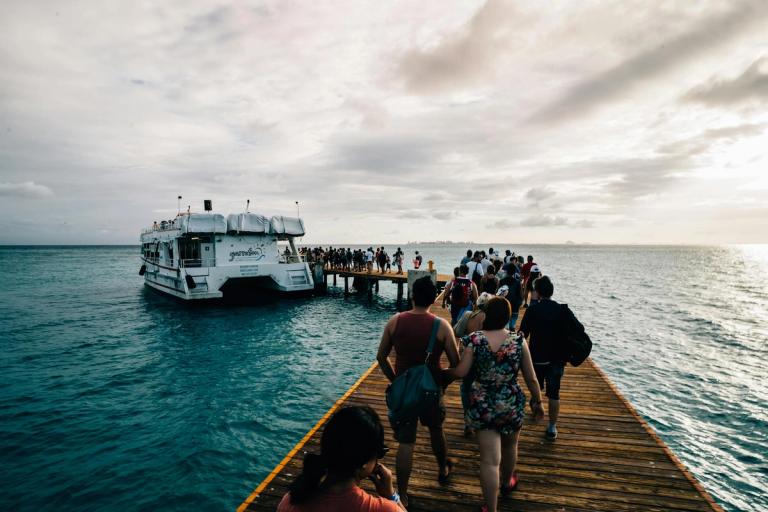
Pontoon boats are the family minivan of the water. That’s the takeaway. If you want space, stability, and a setup that keeps the kids (and your sanity) intact, pontoons are the move. Bowriders are fun until your five-year-old faceplants into a seat cushion because you hit a wake. On a pontoon? Everyone’s still upright, and the chips stay on the table.
Direct answer: If you want a boat where you can move around, keep kids and pets safe, and actually enjoy the day instead of policing every step, pontoons win. They’re flat, stable, and built for chaos.
Here’s how it plays out:
- Space: My boat’s a 22-footer. On a bowrider, that fits six adults and a cooler if you’re friendly. On a pontoon? You could host Thanksgiving. Kids, dog, grandma, fishing rods, and enough snacks to survive a weekend. No one’s shoulder-to-shoulder unless you want them to be.
- Stability: Two or three tubes under you means less rocking. You can walk from bow to stern without feeling like you’re on a balance beam. Try that on a V-hull with a toddler and a golden retriever—let me know how it goes.
- Flat decks: This is huge. No tripping over seats or weird steps. When your kid sprints for the snack bag or the dog decides to “help” with the anchor, you’re not worried about them face-planting into fiberglass. Carrying a cooler? Easy. Wrestling a squirmy kid into a life jacket? Easier.
- Safety features: Most pontoons have high railings and non-slip vinyl floors. That’s not just marketing fluff. Last summer at Lake Geneva, my niece tried to climb the rails—she didn’t get far. On my old runabout, one wrong move and she’s in the drink.
- Versatility: Fishing, tubing, swimming, grilling—pontoons do it all. I’ve seen people set up playpens, portable grills, even a cornhole board. Good luck pulling that off on a ski boat unless you like your burgers with a side of lake water.
FAQ:
- Are pontoons safe for toddlers?
Yes. High railings, flat decks, and steady rides mean fewer heart attacks for you.
- Can you fish from a pontoon?
Absolutely. Tons of space for gear and no one’s tripping over a livewell.
- Do they handle rough water?
Better than you’d think, but this isn’t a deep-V offshore boat. Stay close to shore if it’s whitecapping.
Bottom line: If you want the family boat experience without the drama, pontoons are worth it. The only thing they don’t do is make your marina bill any smaller.
Picking the Right Pontoon for Your Family and Budget
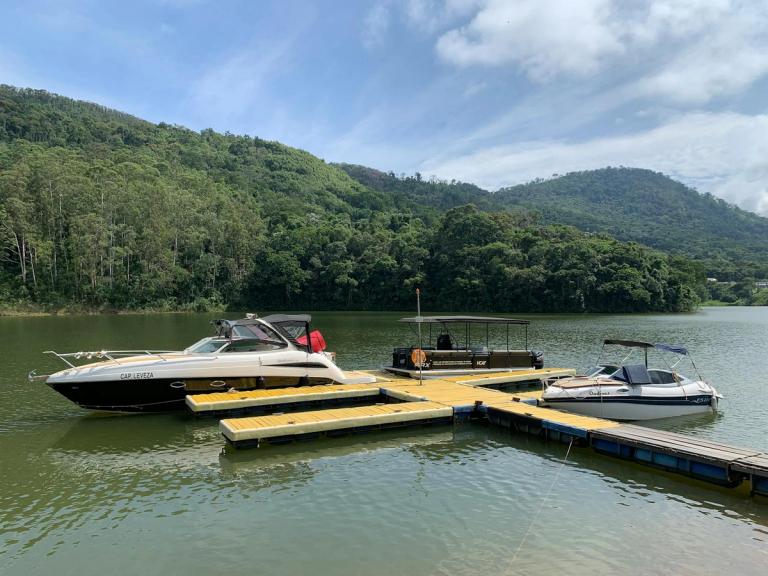
Here’s the short answer: Buy the pontoon that fits your actual crew, does what you want, and doesn’t leave you eating ramen all summer. The rest is window dressing.
Sizing up your crew: Count heads—yours, your spouse, your kids, the one neighbor who always “just happens to be free.” Most folks look at the sticker and forget about guests. If you’ve got a family of four but host the in-laws or half the baseball team, you want at least a 22-footer.
- 18–20 feet: Good for 4–6 people. Think small family, tight crew, or mostly just you and the kids.
- 22–24 feet: Sweet spot for 6–10. This is the “everyone fits and no one’s elbowing grandma” size.
- 25+ feet: Party barge territory. If you’re the one who always gets volunteered to drive, this is you.
Activity-driven choices: This is where you get honest.
- Fishing? Look for built-in rod holders, live wells, and an open floor plan. Lowe and Sun Tracker make models with fishing seats up front—worth it if you actually fish.
- Watersports? Don’t cheap out on engine size. You need 115hp minimum if you want to pull a tube and not just drag it.
- Chill cruising? Prioritize comfort—loungers, a good canopy, and cupholders that don’t dump your drink at the first wake.
Budget breakdown: No one likes talking numbers, but here’s what you’re looking at (as of 2024):
- Entry-level ($25k–$35k): Basic seating, 60–90hp, maybe a Bimini top. It floats, it runs, but don’t expect bells and whistles.
- Mid-range ($35k–$55k): 115hp+, better upholstery, Bluetooth, more storage. This is where most families land.
- Luxury ($60k+): Fancy lighting, upgraded sound, built-in grills, power Bimini, even a changing room. Marina pricing for sure, but you’ll have the nicest boat at the sandbar.
Key features to prioritize: Don’t let the dealer upsell you on stuff you’ll never use. Here’s what actually matters:
- Engine power: 90hp is OK for cruising, 115hp+ if you want to tow anything.
- Storage: More is always better. Wet storage under seats is gold.
- Canopy/Bimini: Shade saves lives (and marriages). Don’t skip it.
- Build quality: Thicker deck, welded rails, and decent vinyl. Cheap stuff looks rough after one season.
FAQ (real questions I’ve heard at the ramp):
- Q: Can I get away with a 20-footer for a family of five?
A: You’ll fit, but not once the kids bring friends. Go 22’ if you can.
- Q: Is 60hp enough?
A: Only if you like slow cruises. For tubing or a full load, 90hp minimum.
- Q: Used or new?
A: Used saves money, but check for floor rot and engine hours. I’ve seen “great deals” turn into expensive projects.
Bottom line: Buy for your real life, not the brochure. And don’t let the family pick the color—trust me, you’ll be the one cleaning it.
DIY Maintenance Tips to Keep Your Pontoon Looking and Running Great

Here’s the bottom line: You don’t need a garage full of specialty cleaners or a marina bill that makes your eyes water to keep your pontoon looking sharp and running smooth. Most of what actually works, you can do in your driveway with stuff from the hardware store and a couple hours on a Saturday.
Direct Answer Block: If you want your pontoon to last and look good, wash it with mild soap, check the engine oil and battery before every trip, wipe down the seats after each use, and hit the metal with a corrosion spray twice a season. Skip the overpriced “marine-only” cleaners unless you like spending money for the same ingredients.
---
Routine Cleaning: What Actually Works
- Hull:
I use Dawn dish soap and a soft brush. That’s it. The $30 “pontoon brightener” at the marina? Overpriced for what it is. If you get algae or waterline stains, Bar Keepers Friend powder works on aluminum. Rinse it off right away so it doesn’t leave a residue.
- Vinyl Seats:
Don’t use bleach or “multi-surface” sprays. I learned the hard way—my first boat’s seats cracked by year three. Now I use Meguiar’s Marine Vinyl Cleaner, or honestly, warm water with a splash of dish soap. Wipe down after every trip. Your future self will thank you.
- Deck:
Push broom, hose, and a bucket of soapy water. If you have carpet, a wet/dry vac is your friend. For vinyl flooring, same as the seats—keep it simple.
---
Engine Basics: Checks You Can Do at Home
- Check the oil before every trip. If it’s dark or smells burnt, change it.
- Pull the prop and check for fishing line or weeds.
- Make sure the battery terminals are clean and tight.
- If you’re nervous about changing oil, YouTube is your friend. I did my first one with a $12 hand pump and a five-gallon bucket. Took 30 minutes, saved $120 over the marina.
---
Preventing Corrosion and Oxidation
- For freshwater, rinse the pontoons and motor after every trip.
- For saltwater, always rinse, then spray the metal with CRC or WD-40 Specialist Corrosion Inhibitor.
- Wax the pontoons twice a season. I use Mothers Mag & Aluminum Polish. It’s not magic, but it holds up better than the generic stuff.
- Keep the boat covered when you’re not using it. Sun kills everything eventually.
---
Seasonal Maintenance Checklist
- Oil change (spring and fall)
- Grease the fittings and check steering
- Inspect the trailer tires and lights
- Check fire extinguisher and safety gear
- Clean and treat all vinyl
- Flush and stabilize the fuel before winter
---
FAQ (Stuff I Actually Get Asked by Neighbors)
- Do I really need “marine” cleaners?
No. Most are relabeled household stuff. Read the ingredients.
- How often should I wax the pontoons?
Twice a season is good. Once if you’re lazy, three times if you’re retired.
- What’s the best way to keep the seats from getting moldy?
Wipe them dry, crack a hatch, and use a cheap moisture absorber from Home Depot.
- Is it worth paying the marina for spring service?
Not unless you hate saving money.
If you only do one thing this season, wash and dry your boat every time you use it. Everything else is bonus points.
Customizing Your Pontoon for More Family Fun

Here’s the truth: you can dump thousands into pontoon upgrades, or you can pick a few that actually make the boat better for your crew. Most of the best upgrades are DIY-friendly and won’t make your wallet cry. Some are overpriced marina nonsense. Here’s what I’ve figured out after a few seasons of trial, error, and at least one “why did I buy this?” moment.
Direct answer: If you want more fun on your pontoon without blowing the budget, start with rod holders and a tow bar. Skip the factory “entertainment package.” Upgrade your seats if you can swing it. Everything else is gravy.
Scannable steps:
- Fishing Upgrades:
Bolt-on rod holders are $20 each and worth every penny—especially if you fish with kids who drop stuff. A basic livewell kit runs $80–$120 and you can install it in an afternoon. Tackle storage? Don’t overthink it—Plano boxes in a milk crate work as well as any built-in system, and you won’t care if they get slimy.
- Watersports Gear:
A tow bar is the single best upgrade if you want to pull tubes or a wakeboard. Factory bars can be $700+ (marina markup is real), but you can grab a solid aftermarket one for $250 and bolt it on yourself. If you’re thinking about upgrading your engine, know this: it’s expensive, and unless you’re going from a 60hp to a 150hp, you probably won’t notice a massive difference pulling the kids on a tube. Storage for tubes/skis? A big mesh bag under a bench seat does the job—no need for custom racks unless you like spending Saturdays organizing gear.
- Comfort and Convenience:
Upgraded seats are worth it if your originals are shot—your back will thank you. Sound system? $200 gets you Bluetooth and decent speakers, which is all you need unless you’re trying to DJ the whole lake. Sunshade? Bimini tops are a must in July. Don’t bother with the “deluxe” versions unless you like paying double for the same canvas.
- Budget vs. Maintenance:
Every upgrade is another thing to clean, fix, or winterize. Stick to bolt-ons and stuff you can remove or replace yourself. If it needs a special tool or a marina tech, skip it.
FAQ:
- Q: Are DIY upgrades really safe on my pontoon?
A: If you can use a drill and read instructions, you’re fine. Don’t cut into anything structural.
- Q: What’s the first upgrade you’d do?
A: Rod holders. Cheap, easy, and useful every trip.
- Q: Is the “deluxe” sound system worth it?
A: Not unless you want to hear Jimmy Buffett from three docks away. Basic Bluetooth is enough.
Bottom line? Upgrade the stuff you’ll actually use. Skip the marina upcharges. Your future self (and your bank account) will thank you.
The Lifestyle Benefits: Why Pontoon Boating Builds Family Memories
Here’s the real deal: pontoon boats make family time on the water way less stressful, and a lot more fun. You don’t need to be a pro captain to get your crew on and off, and nobody’s yelling “watch your step!” every five seconds. My boat has seen toddlers, grandparents, and two golden retrievers climb aboard without drama. Compare that to my buddy’s bowrider—his mom nearly went for a swim last Fourth of July. Pontoon wins.
Direct answer: If you want a boat that actually works for family life—easy to board, safe for little kids, enough space for everyone’s stuff—a pontoon is worth it. No contest.
Here’s how it plays out in real life:
- Step 1: Pull up to the dock. The flat deck means kids, coolers, and grandparents all walk on. No balancing act.
- Step 2: Unpack. There’s room for snacks, towels, and that one giant inflatable unicorn your niece insists on bringing.
- Step 3: Relax. Some people fish, some swim, some just sunbathe. Nobody’s stuck doing one thing.
- Step 4: Pack up and head home. No one’s cranky or sunburned (well, unless you forgot the sunscreen again).
FAQ (straight from my driveway):
- Can you actually fit the whole family?
Yes. Last summer we had eight people, a dog, and a grill. Still had room for the cooler.
- Is it safe for little kids?
Safer than any other boat I’ve owned. Rails all around, stable even when the kids run from side to side.
- Does it kill the “fun factor”?
Not unless your idea of fun is yelling at your kids to sit down every five minutes.
Bottom line: If your weekends look like mine—chaos, family, and a cooler full of Capri Suns—your future self will thank you for going pontoon. Skip the marina’s “family upgrade” pitch. This is the upgrade.
Frequently Asked Questions
Q: What are different names for a boat? A: Boats come in many types and names depending on their design and use, such as pontoon boats, bowriders, deck boats, runabouts, ski boats, and party barges. Each name reflects specific features or intended activities.
Q: What kind of boat can you buy for $100,000? A: For around $100,000, you can purchase a mid-range to luxury pontoon boat equipped with features like upgraded sound systems, power Bimini tops, built-in grills, and comfortable seating. This price range offers a balance of performance, comfort, and style suitable for family boating.
Q: How easy is it to maintain a pontoon boat yourself? A: Maintaining a pontoon boat yourself is quite manageable. Routine cleaning with mild soap, regular engine checks, corrosion prevention, and seasonal maintenance can be done at home with basic tools and supplies, saving you money on marina services.
Q: Can pontoon boats handle watersports like tubing and skiing? A: Yes, pontoon boats can handle watersports like tubing and skiing if equipped with sufficient engine power (typically 115hp or more) and a proper tow bar. While not as fast as specialized ski boats, they provide a stable platform for family-friendly watersports.
Q: What safety features should I look for in a family pontoon boat? A: Key safety features include high railings, non-slip vinyl flooring, stable flat decks, adequate life jackets, and easy access points for boarding and disembarking. These features help keep toddlers and pets safe and reduce the risk of accidents.
Conclusion
Here’s the bottom line: If you want space, safety, and a boat you can actually use with the whole family—pontoon boats are hard to beat. There’s a reason every other dock at Lake Lanier is stacked with them. And you don’t have to be some marina pro to keep yours looking good and running right. Most of the stuff—like cleaning the deck or checking the battery—you can do with a Saturday morning and a cup of coffee.
Pick a model that fits how your crew actually uses the water, not what the salesman says you “might need.” Stick to the basics for maintenance, and you’ll dodge the $200-an-hour marina bills. Custom seats, better speakers, a tow bar for the kids—those are the upgrades that actually make weekends better, not just more expensive.
Thinking about a pontoon? Check out my hands-on tips and shortlist before you buy—or grab the maintenance checklist if you already own one. Your future self (and your family) will thank you.
Frequently Asked Questions
What makes pontoon boats ideal for families?
⌄
How much should I expect to spend on a family-friendly pontoon boat?
⌄
Are pontoon boats suitable for beginners?
⌄
What activities can families enjoy on a pontoon boat?
⌄
What maintenance is required for a pontoon boat?
⌄
Related Articles
Keep reading with more practical boat owner guides.
Mar 26, 2026
10 Essential Tips for Maintaining Your Boat All Season Long
Discover 10 essential tips to keep your boat in top shape all season long—without breaking the bank or sacrificing your weekends.
Mar 26, 2026
Boat Insurance Basics: Straight Talk for Hands-On Owners
Discover essential boat insurance insights for DIY owners, covering what you need to protect your investment and avoid costly mistakes.
Mar 26, 2026
How to Find the Best Boats for Sale Near You: Hands-On Guide
Discover how to confidently find and inspect the best boats for sale near you with insights from real boat owners.
Try Premium Boatcare
Turn insights into action with a faster workflow.
Get Started Free